Aging in Place: The Home Modifications That Matter Most
Most people would prefer to stay in their own home as they grow older, and with some thoughtful changes, many can. "Aging in place" is less about a full renovation and more about targeted modifications that remove the specific hazards and barriers that make a home harder to live in safely over time. A few of the right changes go a long way.
Start with falls, because they cause the most harm
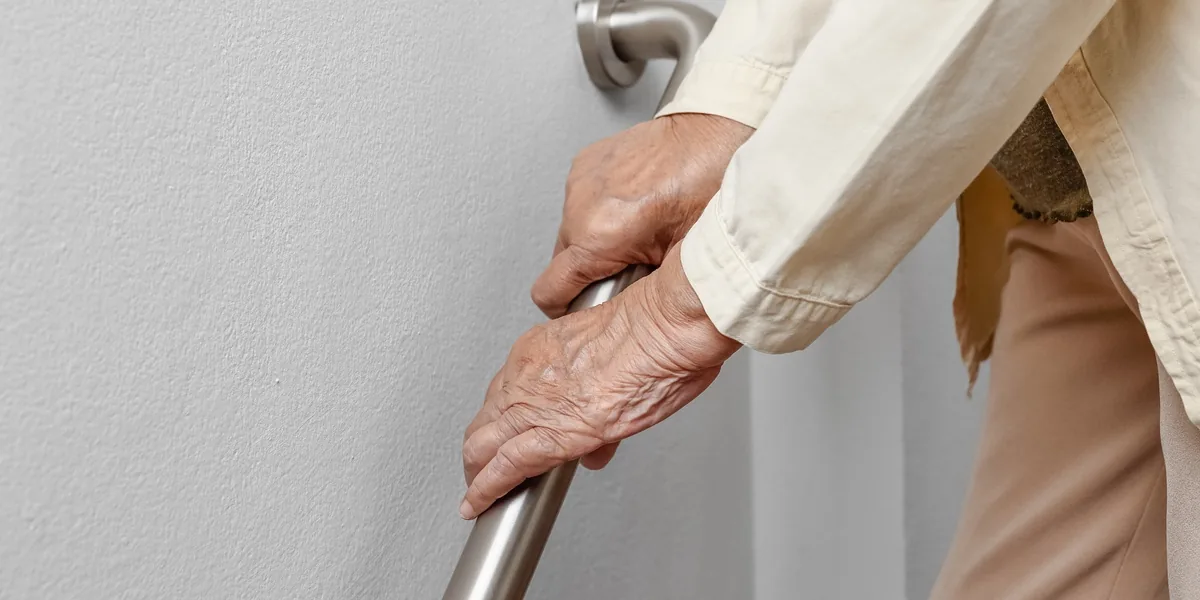
Falls are the leading cause of serious injury for older adults, so the highest-value modifications are the ones that prevent them. Grab bars in the bathroom near the toilet and in the shower, secure railings on both sides of stairs, improved lighting in hallways and on steps, and removing or securing loose rugs are simple, relatively inexpensive changes that directly reduce the most common and most dangerous risk in the home. If you do nothing else, addressing fall hazards delivers the most safety per dollar.
Make the bathroom and entry work
The bathroom and the entrance to the home are the two areas where accessibility matters most. In the bathroom, a walk-in shower or a seat, a handheld showerhead, and a raised toilet can make daily routines safer and easier. At the entrance, a ramp or a step-free path, and a door that is easy to operate, can be the difference between a home that welcomes someone and one that traps them. These are the spots where small barriers create daily difficulty.
Think about reach, grip, and single-floor living
Beyond safety, everyday usability matters. Lever-style door and faucet handles are far easier than knobs for hands that have lost strength. Storing frequently used items within easy reach avoids risky stretching and bending. And where possible, arranging for the essentials of daily life — a bedroom, a full bathroom, laundry, and the kitchen — to be reachable on a single level removes the daily challenge of stairs. Not every home allows it, but where it is possible, single-floor living is one of the biggest quality-of-life improvements.
Plan it in the right order
The smart approach is to prioritize rather than tackle everything at once: address the fall hazards first, then the bathroom and entry, then the everyday-usability changes. It can help to walk through the home with the specific person in mind, noticing where they struggle or where a fall could happen. Some communities have programs or professionals who assess homes for exactly this purpose. Done thoughtfully, a modest set of changes can keep a home livable and safe for many more years.