Telehealth for Seniors: What It Is Good For and What It Is Not
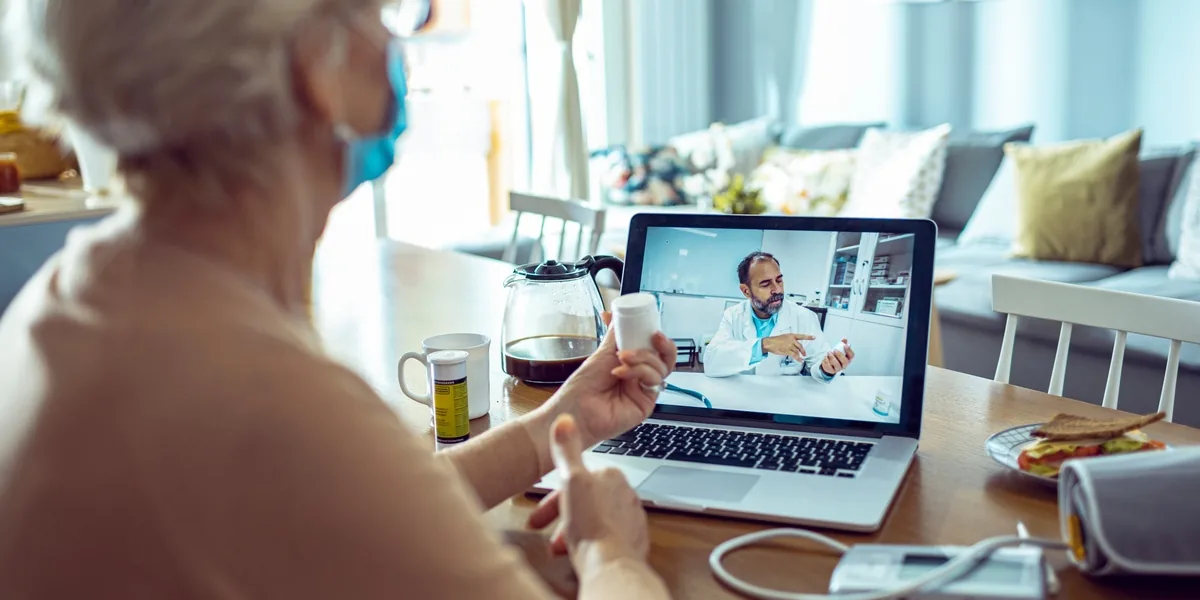
Telehealth — meeting with a doctor by video or phone instead of in person — went from a novelty to a normal option remarkably quickly, and it can be a real convenience for older adults, especially those for whom getting to an appointment is difficult. Like any tool, it works well for some things and poorly for others, and knowing the difference makes it genuinely useful.
Where telehealth shines
Telehealth is at its best for visits that are mostly conversation: discussing test results, adjusting medications, following up after a procedure, managing an ongoing condition that is stable, or getting advice about whether a symptom needs in-person attention. For someone who has trouble traveling, saving a difficult trip for a visit that could be handled by video is a real gain — less time, less effort, and often a shorter wait. For routine check-ins on stable conditions, it can be the better option.
Where it falls short
Telehealth cannot do the things that require physical presence: a hands-on physical examination, procedures, imaging, blood work, and situations where a provider truly needs to see, touch, or measure something in person. It is also a poor choice for anything that feels like an emergency, which needs immediate in-person care. Recognizing when a problem genuinely needs a physical visit — and not letting the convenience of video delay necessary in-person care — is the key to using telehealth wisely rather than as a substitute for everything.
The practical hurdles worth solving
For older adults, the barriers to telehealth are often practical rather than medical: an unfamiliar app, a shaky internet connection, hearing or vision challenges that make a small screen hard to use, or simply discomfort with the technology. These are usually solvable — a family member helping set up the first visit, choosing phone instead of video when video is a struggle, or testing the connection beforehand. A little preparation turns a frustrating experience into a smooth one, and the first successful visit usually removes most of the anxiety.
Fit it into your overall care
The best way to think about telehealth is as one option among several, not a replacement for your usual care. It complements in-person visits: use it for the check-ins and conversations it handles well, and preserve in-person appointments for the examinations and procedures that need them. Confirming that your providers offer it and that your coverage includes it is a sensible first step. Used for the right purposes, it removes friction from staying on top of your health — which, for someone who finds travel hard, can mean getting care they might otherwise put off.